Stay Tuned for photos and plants for Birds list.
Moth and Butterfly Food Plants: Insects will generally not eat non-native plants, they will however use a few for nectar sources.
I've listed 1st the Host plant (needed for egg laying and caterpillars) and 2nd the nectar plants for the adult butterfly. You'll want to plant both wherever possible.
Walnut, Hickory, Sweet Gum -
Luna Moth
Box Elder, Cherry Willow - Cecropia Moth
Oak, Birch - Polyphemus Moth
Sassafras, Spicebush, Buttonbush- Promethia Moth
Cherry, Magnolia- Tiger Swallowtail- adult- Phlox sp. Red Clover, Boneset
Pawpaw - Zebra Swallowtail- adult- Milkweeds
Spicebush, Sassafras - Spicebush Swallowtail- adult- Milkweeds
Parsley, Dill and other Umbeliferae - Black Swallowtail - adult Red Clover
Milkweeds, Asclepias tuberosa and A. incarnata - Monarch- adult Milkweed and Goldenrods Solidago sp.
Willows, Apple, Poplars, Cherry - Viceroy & Red Spotted Purple - adult- Milkweeds, Goldenrod, Thistle
Thistles - Painted Lady
Violets- True Fritillaries- adults -Thistle and Rudbeckia sp.
Passion Flowers - Gulf Fritillary
Chelone alba - Baltimore Checkerspot - adult -Milkweeds
Willows, Roses - Morning Cloak -adults-Lilac
Pinevine -Pipevine Swallowtail- adult- Phlox sp., Milkweeds
Links:
Other Natives for Butterfly Gardens:
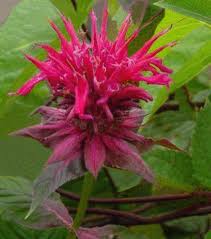
Monarda sp.
Heliopsis sp.
Eupatorium sp.
Eryngium sp.
Echinacea sp.
Coreopsis sp.
Campanula americana
Frost Asters
New England Aster
Smooth Aster - Aster laevis
Asclepias sp.
Allium canadense, Allium cernuum, Allium stellatum
Phlox sp.
Native Roses
Rudbeckia sp.
Solidago sp.
Verbena sp.
Viola sp.
Zizia sp.
Panicum sp.
Canada Wild Rye
Little Blue Stem
Brush Piles:
Brush piles are a very important habitat element for many different kinds of wildlife. They provide cover from predators and places for nests, escape routes, and dens. Many insects are attracted to this pile of decomposing wood, which provides a bounty of food for birds, amphibians, reptiles, and mammals.
And the best part is, brush piles are very easy to build, and they keep a lot of yard waste out of landfills:
- Start with the largest branches and logs and loosely stack them log cabin style.
- Do not use pressure treated lumber, creosoted railroad ties, tires, or lead-painted lumber as these materials contain toxic chemicals which leech into the soil and pollute our waterways.
- Rocks and stones can also be used in this base section to provide additional hiding spaces for wildlife.
- Cover the top of this base with smaller branches until you have a tall pile that resembles an igloo.
- The pile will shrink every year as the wood decomposes and you can just keep adding new materials to the top.
- Plant native vines such as Virginia Creeper (Parthenocissus quinquefolia), Trumpet Honeysuckle (Lonicera sempervirens), or American Bittersweet (Celastrus scandens) around the base to provide more shelter and to hide the pile. Do NOT plant Oriental Bittersweet (Celastrus orbiculatus) because it is extremely invasive and difficult to eradicate.
- Border the pile with locally native wildflowers, which provide nectar for native pollinators.
- Or screen the pile with fruiting native shrubs which provide much needed food for wildlife, especially migrating birds. www.ecosystemgardening.com
Food & Nectar plants