Monday, May 7, 2012

Greenhouse is up!

We finally have the greenhouse up. Just in time for hot weather.
We got the plastic on the 'long term' project of the hoop house. You can see in the last photos they are just beginning to lace it with rope which holds it all together. On our windy, rocky, site Brent had to dig out all 48 legs and concrete they into place. We are almost there, so we expect to have sunflowers and dahlias late into the year.


March 31 Wedding Photos

Just a few photos of the bouquets for a very sweet family. It's alittle hard to see in my non-professional photos but I used double and single varieties of yellow and white daffodils.


Tuesday, April 17, 2012

Bird and Butterfly Plants

Stay Tuned for photos and plants for Birds list. 


Moth and Butterfly Food Plants: Insects will generally not eat non-native plants, they will however use a few for nectar sources.

I've listed 1st the Host plant (needed for egg laying and caterpillars) and 2nd the nectar plants for the adult butterfly. You'll want to plant both wherever possible.
Walnut, Hickory, Sweet Gum - Luna Moth
Box Elder, Cherry Willow - Cecropia Moth
Oak, Birch - Polyphemus Moth
Sassafras, Spicebush, Buttonbush- Promethia Moth
Cherry, Magnolia- Tiger Swallowtail- adult- Phlox sp. Red Clover, Boneset
Pawpaw - Zebra Swallowtail- adult- Milkweeds
Spicebush, Sassafras - Spicebush Swallowtail- adult- Milkweeds
Parsley, Dill and other Umbeliferae - Black Swallowtail - adult Red Clover
Milkweeds, Asclepias tuberosa and A. incarnata - Monarch- adult Milkweed and Goldenrods Solidago sp.
Willows, Apple, Poplars, Cherry - Viceroy & Red Spotted Purple - adult- Milkweeds, Goldenrod, Thistle
Thistles - Painted Lady
Violets- True Fritillaries- adults -Thistle and Rudbeckia sp.
Passion Flowers - Gulf Fritillary
Chelone alba - Baltimore Checkerspot - adult -Milkweeds
Willows, Roses - Morning Cloak -adults-Lilac
Pinevine -Pipevine Swallowtail- adult- Phlox sp., Milkweeds

Links:


Other Natives for Butterfly Gardens:
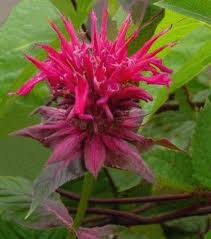
Monarda sp.


Liatris sp.
Heliopsis sp. 
Eupatorium sp.
Eryngium sp.
Echinacea sp.
Coreopsis sp.
Campanula americana
Frost Asters
New England Aster
Smooth Aster - Aster laevis
Asclepias sp.
Allium canadense, Allium cernuum, Allium stellatum
Phlox sp. 
Native Roses
Rudbeckia sp.
Solidago sp.
Verbena sp.
Viola sp.
Zizia sp.
Panicum sp.
Canada Wild Rye
Little Blue Stem


Brush Piles:

    • Brush piles are a very important habitat element for many different kinds of wildlife. They provide cover from predators and places for nests, escape routes, and dens. Many insects are attracted to this pile of decomposing wood, which provides a bounty of food for birds, amphibians, reptiles, and mammals.
      And the best part is, brush piles are very easy to build, and they keep a lot of yard waste out of landfills:
      • Start with the largest branches and logs and loosely stack them log cabin style.
      • Do not use pressure treated lumber, creosoted railroad ties, tires, or lead-painted lumber as these materials contain toxic chemicals which leech into the soil and pollute our waterways.
      • Rocks and stones can also be used in this base section to provide additional hiding spaces for wildlife.
      • Cover the top of this base with smaller branches until you have a tall pile that resembles an igloo.
      • The pile will shrink every year as the wood decomposes and you can just keep adding new materials to the top.
      • Plant native vines such as Virginia Creeper (Parthenocissus quinquefolia), Trumpet Honeysuckle (Lonicera sempervirens), or American Bittersweet (Celastrus scandens) around the base to provide more shelter and to hide the pile. Do NOT plant Oriental Bittersweet (Celastrus orbiculatus) because it is extremely invasive and difficult to eradicate.
      • Border the pile with locally native wildflowers, which provide nectar for native pollinators.
      • Or screen the pile with fruiting native shrubs which provide much needed food for wildlife, especially migrating birds. www.ecosystemgardening.com
      Food & Nectar plants


Monday, April 9, 2012

Spring Cut Flowers now Available!

Wow, in-spite of the ups and downs of hail, frosts and freezes we now have cut flowers for sale, earlier than ever. A few photos below to get you excited.
The lilac and daffodil season will be short this year, but we expect to have tulips and ranunculus through Mother's Day.

Now available: Lilac, mixed tulips either pastel or bright color mix, ranunculus and white, yellow and double daffodils.


Sunday, March 25, 2012

Curb that Desire to Shop at Impulse Emporiums

By summer end does your garden look like a 60's kitchen in the year 2012? Are you a victim of your own good intentions? Spring fever calls, impulse shopping and planting follows. You have been seduced by the color call of annuals and trees in bloom.

Are you penniless from re-buying frozen annuals? Even your shrubs and perennials look boring by mid-summer? Here's the solution.

Start with the structure, trees, shrubs, then perennials. Forget evergreens no one spends time in the garden in the winter anyway. This time choose a nursery or garden center with a wide selection and helpful staff. You are looking a range of plants that bloom throughout the summer season. Remember, you are steering away from those impulse emporiums that only sell plants in bloom. Better yet plan to shop for your garden throughout the growing season.

Your goal is a beautiful exciting yard all summer, You are looking for early(you have lots of those already(, mid-season, and late bloomers. Choose shrubs tat do double duty, with colorful foliage and bright flowers or flowers and fall berries. Then move onto perennials choosing tough winter hardy flowers with long bloom periods.

Sketch a plan. Break up your yard into seasonal areas or mix the bloom times throughout. Use annuals only as accents. Less work, and more color is what you are after.

In spite of storms and cold, perennials offer you dependable seasonal color and foliage. Year after year. Not only are they more frost hardy, but frost nipped perennials will generally leaf out and bloom. Try that with annuals planted too early.

So don't be seduced by the spring rush. You will miss out on many beautiful plants. Fall Asters and Winterberry Holly to name a few,. Choose trees, shrubs and perennials that bloom throughout the summer. They may not look perfect all year. but every year they will have glorious moments, and they will be back.


winterberry

geranium

Helianthus
Hydrangea Little Lamb


Red Currant

Thursday, March 15, 2012

New addition to the mason jar line up

We are now selling these hanging mason jars for $5 each. Rentals are also available to go on our rental shepherds hooks.


Of course these look much cooler with our flowers in them.

Tuesday, March 13, 2012

Friday morning Arranging Workshops- before and after

New Photos from one our recent workshops. Thank-you Karrisa, family and friends for allowing us to share your special day.
Here's the workshop photos followed by some excellent wedding photos.


The following photos are by Tracy Brewer Photography- Newland, NC:
These bouquets were made here at SGG by the bridal party you see above in about 2 hours. The mason jar arrangements were made afterward from buckets purchased from us.